
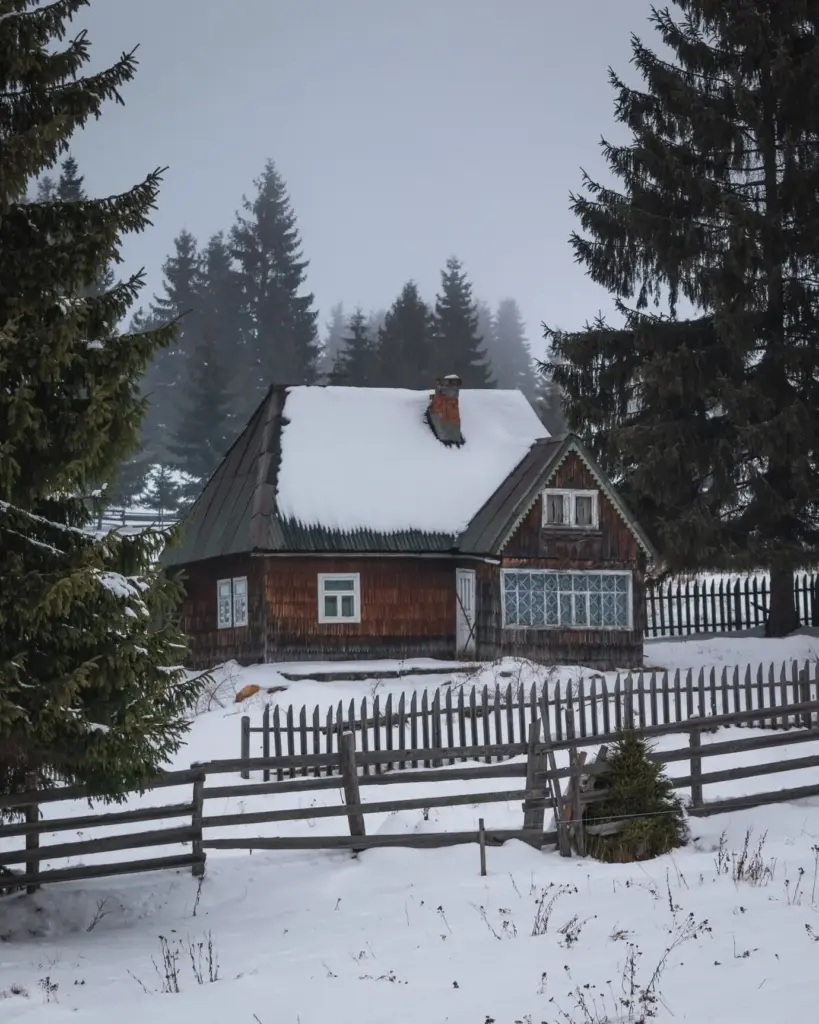






Crisp Mornings, Quiet Shores: Safer Paths Between Lakes and Pines

Today we dive into shoulder-season hiking itineraries and trail safety in cottage regions, celebrating calm trails, thinning crowds, and the surprising challenges that arrive with thawing mud, early frosts, and variable water levels. Expect flexible route ideas, practical safety habits, and inviting stories that help you prepare confidently. Share your questions or favorite lakeside routes in the comments so we can refine future guides together and keep this welcoming, responsible community growing with every mindful mile.

Finding the Sweet Spot Between Frost and Flower

Choosing when to go can make the difference between shimmering boardwalks at sunrise and slick, risky planks under freezing drizzle. Shoulder-season in cottage country swings quickly, shaped by lake breezes, valley fog, and shaded gullies that hold ice. Learn to pair regional forecasts with trail reports, local notices, and your own comfort limits. Leave room for serendipity, but travel with a plan that respects weather windows, daylight realities, and the quiet rhythms of shoreline communities.

Itineraries That Flex With Sky and Shore

Build routes that pivot gracefully when clouds thicken or a creek swells. Prioritize loops with signed cutoffs, parallel fire roads, and safe exit points near public landings. In shoulder-season, choose modest elevation first, then add scenic spurs if footing holds. Keep printed maps in a dry bag and offline maps on your phone. Last April, a planned ridge traverse became a sparkling shoreline ramble when windchill grew teeth, and it felt perfect, not compromised.

Navigation and Communication That Don’t Blink

Signal fades in rocky hollows and along long coves, so prepare to navigate with—and without—electronics. Use redundant tools, simple habits, and a check-in plan that doesn’t depend on perfect bars. Print maps in large font, mark potential hazards, and share your route with someone who understands turn-back logic. Practice quick orientation at every junction. Trust clarity over speed; a three-minute pause beats a thirty-minute backtrack when daylight runs thin.

Redundant Navigation Wins

Carry a compass you truly know, paper maps in a waterproof sleeve, and an app with offline tiles covering the entire loop and nearby exits. Drop waypoints for trailheads, bridges, and viewpoints. When leaves are down, sightlines trick you; boulders mimic blazes and shoreline curves repeat. Pause to align map, terrain, and bearing. If your phone dies, your confidence should not. Practice at home by tracing routes with eyes closed, then verifying landmarks.

A Simple, Written Plan

Write a plan that a friend can read quickly: start time, intended loop, latest return, bailout options, and emergency contacts. Include the park name, lot location, and your vehicle color. Note who is with you, any allergies, and where a spare key lives. Promise to text on return and call if delayed. If you reroute, send a quick update from high ground. Clarity helps rescuers, but mostly, it keeps you honest when clouds gather.

Surfaces, Water, and Closures: Respect the Variables

Shoulder-season turns familiar trails into evolving puzzles. Boardwalks can be slick as glass at dawn, sun-warmed by lunch, and treacherous again by afternoon. Thawing muck swallows poles, while overnight frost makes roots brittle underfoot. Spring runoff and dam releases swell shallow crossings unexpectedly. Some sections close to protect habitats or prevent damage. Treat these variables as part of the adventure, adjusting gently. Each careful step preserves trails, wildlife, and your own momentum for another day.

Mud, Ice, and Traction

Pack microspikes for shaded gullies and wooden steps that never quite dry. Gaiters keep grit and chill from your socks. Plant poles lightly on slick boardwalks; baskets catch between slats. Choose lines on durable surfaces, skirting sensitive edges without widening the path. Accept a slower cadence as mastery, not compromise. After a week of freeze–thaw, even small bridges can crown with glaze. Touch railings deliberately and congratulate yourself for finishing upright and smiling.

Streams, Dams, and Safe Crossings

Spring and rainy autumns elevate water beyond normal splash levels. Scout upstream and down for safer rocks, test with poles, and unbuckle your hip belt before committing. Respect dam schedules posted by authorities; pulses can rise fast and cold. If boots fill, change socks promptly to protect skin. Consider detours rather than risky leaps when energy dips. The most memorable lunch can happen ten minutes earlier on a sunny log above a chattering brook.

Closures and Volunteers

When a trail is roped or a sign says closed, it often protects a soaked treadway, wildlife corridors, or active maintenance. Volunteers and rangers rebuild steps, clear stormfall, and relocate sections to healthier ground. Your patience accelerates recovery for everyone. Carry a small trash bag and pack out stray line or foil. If a favorite loop is shut, discover a neighboring forest road or interpretive path, then return later with gratitude and better conditions.

Wild Neighbors and Human Courtesy

Cottage regions are shared spaces where loons call, deer browse quietly, and residents reclaim peace after busy summers. In shoulder-season, bears wake hungry, moose guard trails unpredictably, and ticks ride leaf litter. Hunters lawfully use forests, and they appreciate visible hikers who respect posted notices. Kind parking, leashed dogs, and low voices near docks build trust. Safety grows where courtesy lives, and your calm presence becomes part of the shoreline’s gentle cadence.

Layering, Lighting, and the Little Things

Comfort in the shoulder months comes from simple systems executed well. Prioritize moisture management, wind resistance, and quick warmth at stops. A beanie, light gloves, and a breathable shell transform chilly rests into restorative pauses. Microspikes, a second pair of socks, and a tiny repair kit solve ninety percent of annoyances. Two headlamps beat one, and spare batteries live in an inner pocket. The little things compound into steadier steps and happier memories.

Clothing That Manages Swings

Build a core of wicking base layers, an active-insulating mid, and a windproof shell that vents easily. Pack a puffy for still moments by the lake. Cotton waits for summer; synthetics and wool shine when damp breezes rise. Gloves with grippy palms help on frosty ladders. If the sun warms unexpectedly, stash layers in a compressible sack. Practice quick on-trail changes so you do not overheat, then chill. Comfort equals clearer decisions and safer feet.

Footwear and Foot Care

Choose shoes with grippy lugs that shed mud, and consider light waterproofing if crossings are shallow yet frequent. Carry liner socks to reduce friction, plus a dry backup pair sealed in a bag. Tape hot spots at the first whisper, not after a blister sings. Gaiters save time and laughter when muck grabs. Loosen laces for descents on wet slabs to maintain control. Happy feet are your map, morale, and momentum combined into steady cadence.

Emergency Warmth and Repairs

Pack a compact bivy or reflective blanket, a fire starter you have tested, and a small stove setup if conditions warrant. Toss in tape, zip ties, a multi-tool, and cord for shoes or broken straps. A whistle’s three blasts carry across bays when phones fail. Keep a laminated emergency card with medical notes. These ounces are insurance against surprise wind on exposed rock and the rare delay that turns a pretty afternoon unexpectedly serious.
Laiksv
Privacy Overview

This website uses cookies so that we can provide you with the best user experience possible. Cookie information is stored in your browser and performs functions such as recognising you when you return to our website and helping our team to understand which sections of the website you find most interesting and useful.