
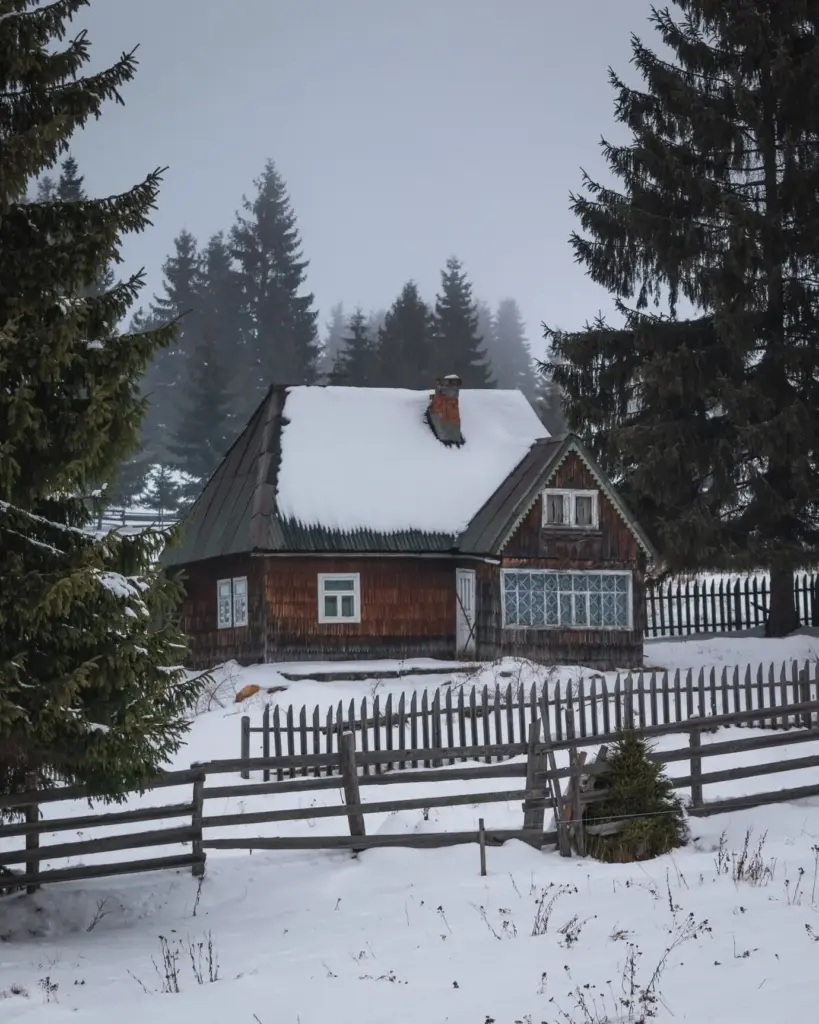






Mud, Ice, and Traction
Pack microspikes for shaded gullies and wooden steps that never quite dry. Gaiters keep grit and chill from your socks. Plant poles lightly on slick boardwalks; baskets catch between slats. Choose lines on durable surfaces, skirting sensitive edges without widening the path. Accept a slower cadence as mastery, not compromise. After a week of freeze–thaw, even small bridges can crown with glaze. Touch railings deliberately and congratulate yourself for finishing upright and smiling.

Streams, Dams, and Safe Crossings
Spring and rainy autumns elevate water beyond normal splash levels. Scout upstream and down for safer rocks, test with poles, and unbuckle your hip belt before committing. Respect dam schedules posted by authorities; pulses can rise fast and cold. If boots fill, change socks promptly to protect skin. Consider detours rather than risky leaps when energy dips. The most memorable lunch can happen ten minutes earlier on a sunny log above a chattering brook.

Closures and Volunteers
When a trail is roped or a sign says closed, it often protects a soaked treadway, wildlife corridors, or active maintenance. Volunteers and rangers rebuild steps, clear stormfall, and relocate sections to healthier ground. Your patience accelerates recovery for everyone. Carry a small trash bag and pack out stray line or foil. If a favorite loop is shut, discover a neighboring forest road or interpretive path, then return later with gratitude and better conditions.